If you’re bringing a pipe on a hike or camping trip, plan for the break as well as the carry. Find a spot you’ll want to stay for a while, keep the little things within reach, and give yourself time to enjoy it.
That’s what outdoor smoking etiquette should help with: making a good break work for you and the people sharing the place.
Rules and source pages reviewed October 28, 2026. Check the official sources again for your trip dates.
How do you choose a good outdoor smoke-break spot?
Where smoking is permitted, look for a comfortable place to stop with room for you and your gear. An existing durable surface keeps you out of the vegetation and gives you somewhere sensible to set down your pack.
Give shared tables, tent doors, busy viewpoints, and trail bottlenecks some room. Check the breeze before settling in. A spot that feels separate may still send smoke straight into the next campsite.
Follow any required distance, then use the actual surroundings as your guide. If the wind shifts toward other people, put it out and save the rest of the break for a better spot. A little awareness usually makes sharing the space pretty straightforward.
Leave No Trace’s guidance on respecting other visitors is a useful starting point for that courtesy. The smoking-specific suggestions here are ours.
What changes between smoking while hiking and smoking at camp?
On a hike, plan a stop. At camp, pay attention to your neighbors. A stationary break gives you somewhere to keep your gear together and manage ash without juggling it as you walk.
At a campground, a picnic table may be convenient but still sit close to someone’s tent or dinner. Check the campground’s smoking policy, then choose your spot with the breeze and nearby sites in mind. Having a campsite doesn’t mean every activity is allowed within it.
What makes an outdoor smoking kit easier to use?
Give the small things a home. Keep your pipe, lighter, and waste container in consistent places so the start and end of a break don’t turn into a pocket inventory.
- A secure carry spot. Use a pocket, pouch, or attachment designed for your gear. Choose somewhere you can reach and check easily.
- A container for smoking waste. Bring a noncombustible receptacle intended for the job, with a way to keep cold waste contained for the trip out.
- A quick leaving routine. Fully extinguish everything, let the pipe and waste cool completely, put your kit away, and check the spot before shouldering your pack.
Our guide to carrying a pipe while hiking goes into pockets, pouches, and clips. The useful setup is the one you’ll put it back into.
How do you check smoking restrictions before a camping trip?
Check the official website for the park, forest, or campground you’re visiting while you’re planning the trip. It’s easier to sort this out at home than at a trailhead with one bar of service.
- Find the land manager. Confirm who manages your trail and campsite. A route can cross more than one boundary.
- Read the standing rules. Look for campground policies and, for national parks, the superintendent’s compendium, which collects park-specific restrictions.
- Check current alerts and fire orders. Look at the effective dates, mapped area, and smoking provisions, including any exceptions.
- Save what you need. Check again before leaving and follow posted updates when you arrive. A ranger station or campground office can help with anything unclear.
Once you know what’s allowed, you can plan your stops around it.
Can you smoke during a fire ban?
Check the specific order for your location. Fire restrictions can cover smoking separately from campfires, with their own limits and exceptions. The size of your pipe or the presence of a fire ring doesn’t settle the question.
For example, Sequoia and Kings Canyon’s fire restrictions list smoking separately and distinguish between restriction stages and locations. Use the rules for your destination rather than carrying another park’s exceptions with you.
If the order prohibits smoking, save the smoke break for a place and time where it’s allowed. If the wording is unclear, ask the land manager before lighting up. Wind and dry conditions are also good reasons to reconsider the timing, even where smoking is permitted.
How should smokers pack out waste while camping?
Make cleanup part of finishing the break. Collect ash, spent smoking material, butts, and filters in your smoking-waste receptacle. Fully extinguish the contents and let them become completely cold before packing them away.
Keep hot ash off the ground and away from dry vegetation, and keep hot gear out of your pockets and pack. An existing fire ring isn’t a disposal bin. Carry cold waste out for disposal in an appropriate trash receptacle rather than burying it or burning it with camp trash.
A quick look around the table, chair, or stopping spot catches the little things. That follows Leave No Trace’s waste guidance and leaves the place ready for whoever stops next.
Can you smoke in a national park?
Tobacco smoking depends on the park’s rules, posted closures, and current fire restrictions. Checking those gives you a clearer idea of where a smoke break can fit into your visit.
Check the substance rules too. The National Park Service states that possessing or using marijuana is illegal in national parks, even in states that permit recreational use. A designated smoking area doesn’t change that rule.
Can you smoke at Pictured Rocks?
For a concrete example, the Pictured Rocks superintendent’s compendium reviewed on October 28, 2026, lists smoking restrictions in section 2.21. They include NPS buildings open to the public and all historic structures, areas within 25 feet of public buildings, pavilions, and restrooms, and posted no-smoking areas. Smoking is also prohibited within 25 feet of nonpublic entrances or exits where smoke could enter the building.
Read the full section and check current park alerts when planning your stops. This summary doesn’t establish permission everywhere else, and the national-park cannabis rule applies here.
Our Pictured Rocks hiking and camping guide covers the rest of the planning, including routes, reservations, and what to pack.
Keep the useful part
Your outdoor smoke-break checklist
Save this with your route and packing notes.
- Check the destination’s smoking rules and current fire restrictions.
- Pick a permitted stopping spot with room for your gear and other people.
- Pack your pipe, lighter, and a noncombustible smoking-waste receptacle.
- Fully extinguish everything, let it cool completely, and pack out the waste.
- Check the spot and put each piece of gear back in its usual place.
From the Highkers workbench
A place for your pipe.
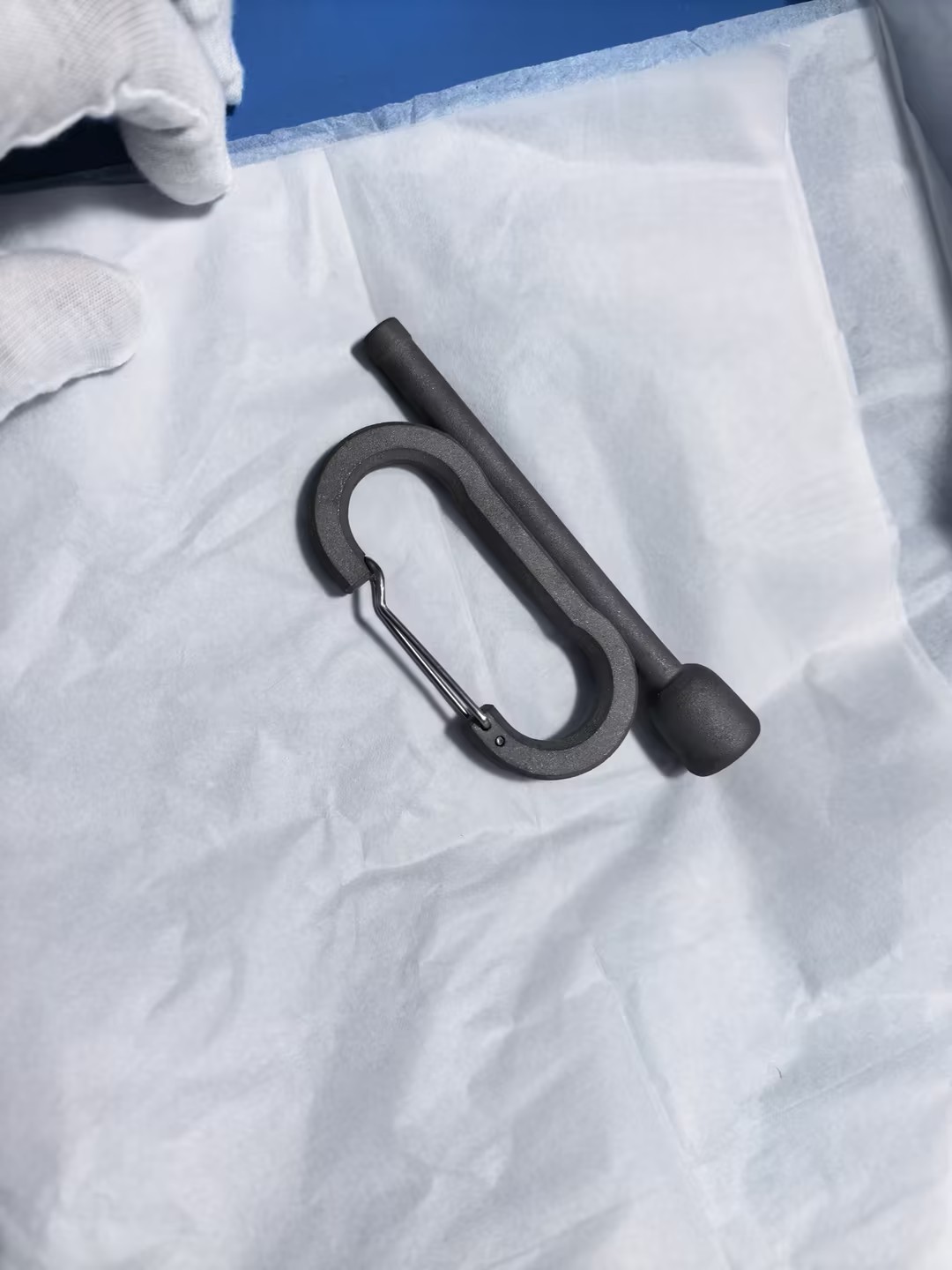
We’re developing the Rip Clip as a compact titanium chillum with an integrated gear clip. The idea is simple: give the pipe a consistent place on your pack so it’s easier to find and put away.
It’s still in prototype development. Take a look at the first Rip Clip prototypes to see where the build started.
Want to see how the Rip Clip turns out?
Get field notes, design updates, and first-drop news.